

Student Works
A Warm Welcome: The College of Artificial Intelligence Welcomes the Class of 2026
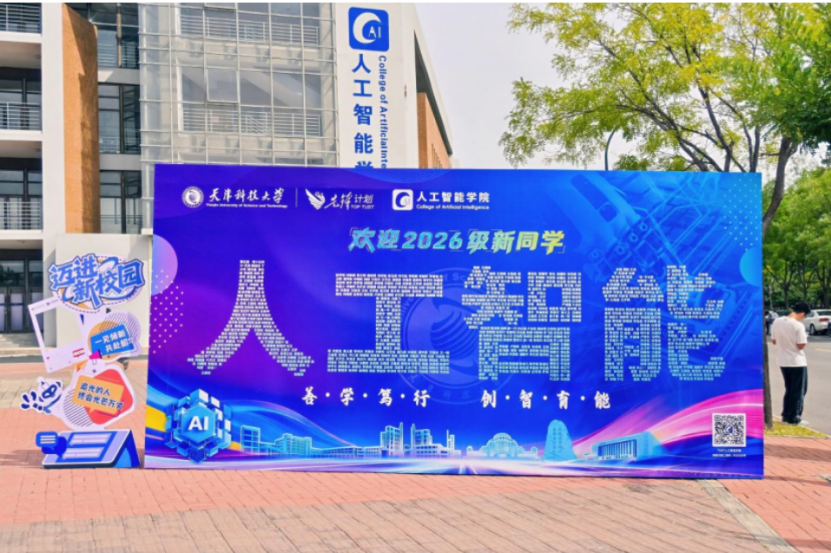
As refreshing autumn breezes sweep across the campus and the season gradually turns cooler, it is once again time to welcome new students. From September 11 to 12, the College of Artificial Intelligence welcomed its incoming Class of 2026. Filled with anticipation and excitement, students from across the country arrived on campus to embark on a new chapter in their academic journeys.
To ensure a smooth and convenient start for incoming students, the College carefully coordinated and organized its orientation activities, incorporating the distinctive features of artificial intelligence into the welcoming process. By integrating technology with thoughtful, student-centered services, the College created a unique AI-powered welcome experience.
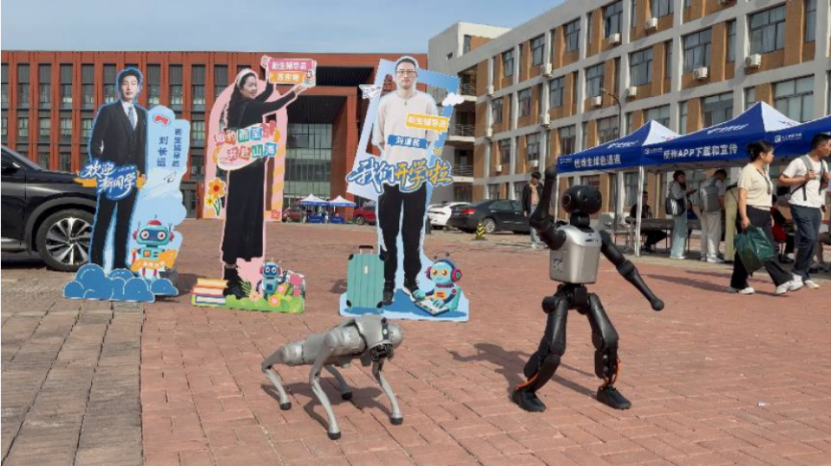
At the orientation site, robot ambassadors and intelligent robotic dogs warmly greeted new students through engaging, technology-driven interactions. The robotic dogs moved freely around the venue, interacting with students and accompanying them as they made their way around campus. Their lively presence attracted many students and parents, who stopped to watch and take photos. This technology-themed “welcome team” not only became a highlight of the event but also offered incoming students an immediate and tangible introduction to the distinctive features and appeal of artificial intelligence. These interactions between people and robots brought a fresh sense of excitement and ceremony to the traditional orientation experience. From the very beginning of their university journey, members of the Class of 2026 were able to experience the unique character of their chosen field firsthand, strengthening their understanding of their major and fostering a deeper sense of belonging to the College.
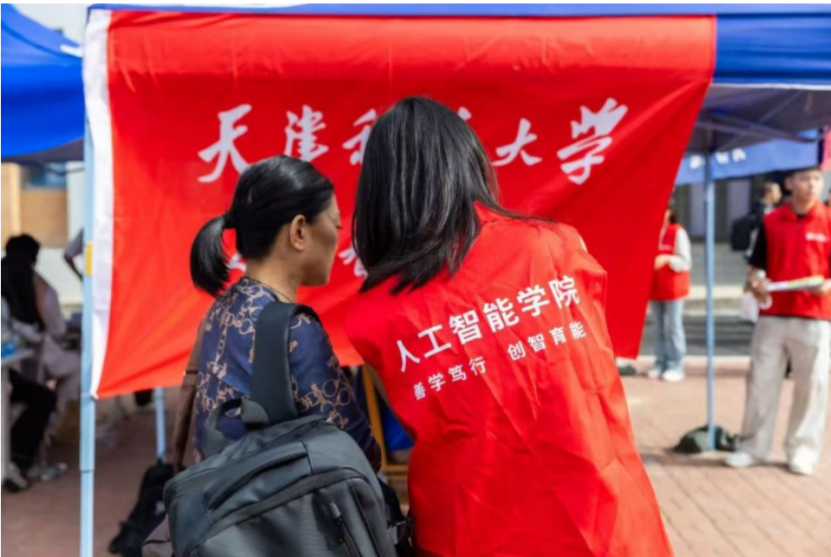
While creating a technology-rich atmosphere, the College further streamlined its registration arrangements to ensure an efficient and orderly check-in process. Taking into account peak registration times and the concentration of incoming students, the College optimized the procedures and staggered registration times according to students’ majors and registration requirements. Responsibilities for each stage, including document verification, information registration, and the distribution of student supplies, were clearly defined to ensure seamless coordination. Staff members performed their respective duties and provided enthusiastic assistance, helping new students complete the necessary registration procedures quickly and smoothly. As a result, the registration site remained well organized throughout the event.
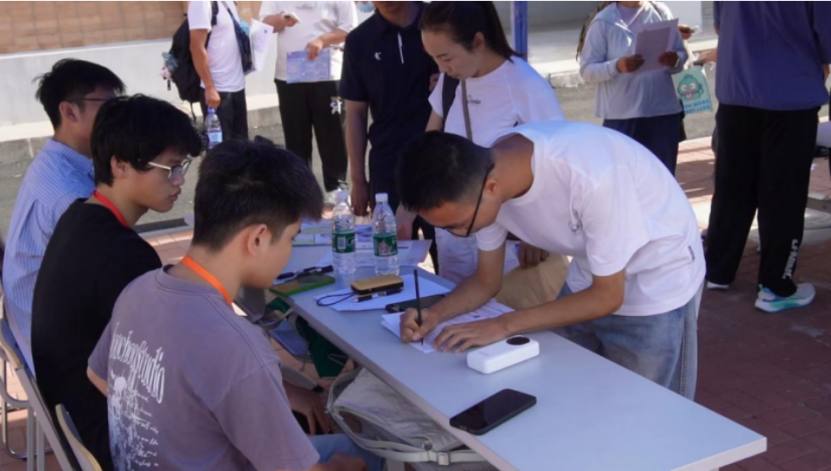
The technology-packed “welcome team” and the efficient registration services complemented each other perfectly. On one side, robots and intelligent robotic dogs offered students an exciting and novel experience; on the other, staff members provided patient guidance and attentive support. By using the College’s distinctive academic strengths as a bridge between technology and service, the College demonstrated that artificial intelligence could serve not only as the highlight of the event but also as a practical means of improving registration efficiency and enhancing the experience of incoming students. Thanks to these thoughtful and well-coordinated arrangements, new students experienced not only the distinctive technological atmosphere of the College of Artificial Intelligence but also its warm welcome and genuine care for every member of the incoming class.
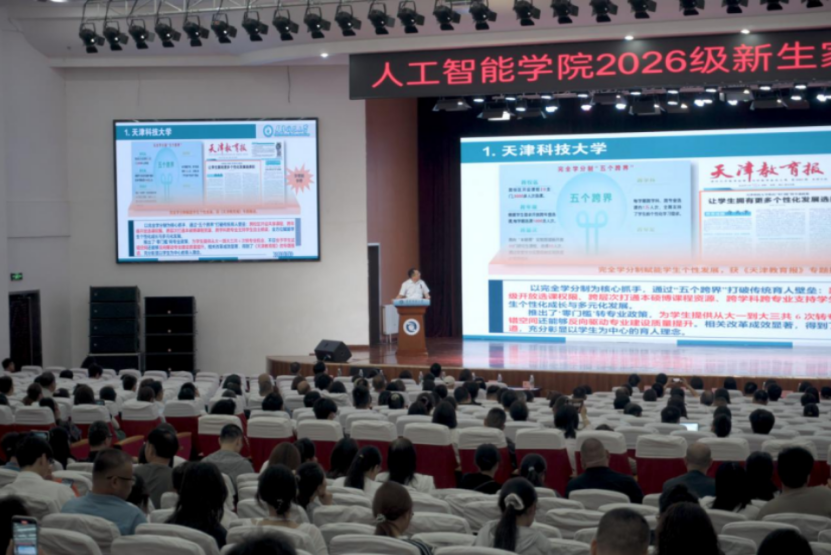
To strengthen communication between the College and students’ families and help parents gain a deeper understanding of the College’s educational features, talent development programs, and student learning environment, a parent meeting for the Class of 2026 was held on the Binhai Campus at the afternoon of September 11. Wang Yi, the College Party Committee Secretary; Han Jing, Deputy Party Committee Secretary; Vice Deans Yang Shuo, Zhao Tingting, and Shi Yancui; department heads; faculty representatives; the head of the Academic Affairs Office; and counselors for incoming students attended the meeting. At the meeting, Secretary Wang Yi delivered opening remarks and provided a comprehensive overview of the College. He also engaged in in-depth discussions with parents on talent development, academic program development, and student growth. Representatives of parents and outstanding senior students shared their experiences, perspectives, and reflections. A dedicated interactive session also gave parents the opportunity to ask questions about major-specific studies, curriculum arrangements, and talent development. Faculty members addressed their concerns on site, helping parents gain a better understanding of the College’s educational programs and strengthening a shared commitment to collaboration between the College and families in supporting student development.
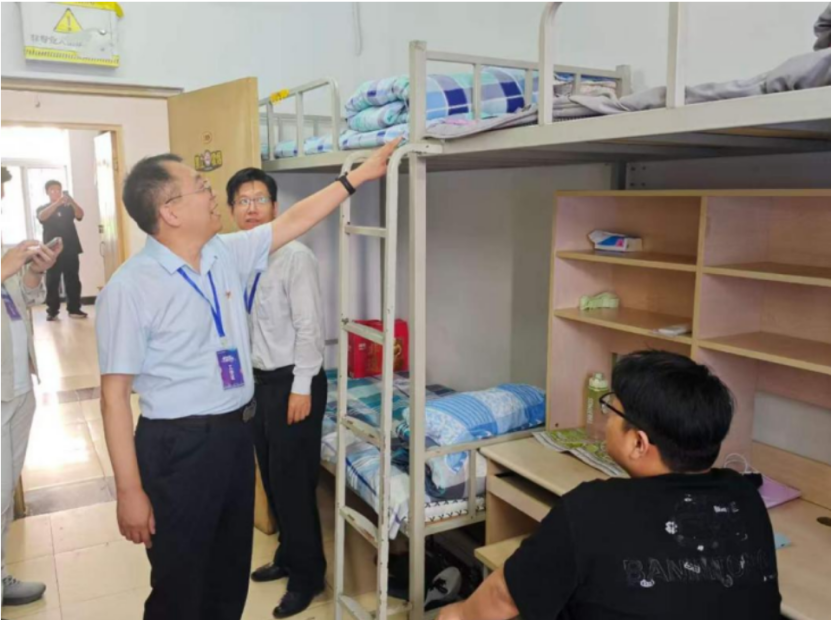
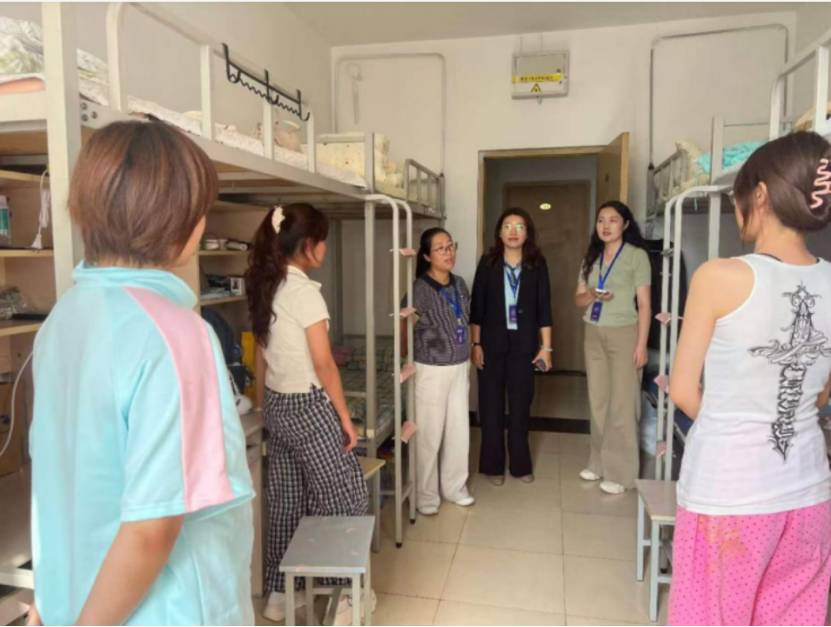
Alongside its commitment to students’ growth, the College extended its care to the environments in which they live and study. From September 11 to 12, members of the College leadership team visited student dormitories to meet the incoming Class of 2026 and extend their warm greetings to students embarking on university life. During the visits, College leaders spoke with students in a friendly and approachable manner, learning about their initial adjustment to campus life and their living experiences. They patiently answered students’ questions and encouraged them to adapt to university life as soon as possible, manage their study time effectively, actively integrate into the campus community, and explore their future development paths. These dormitory visits extended the College’s care beyond the registration site into students’ daily lives, allowing new students to experience more directly the College’s support, concern, and warmth.
As registration proceeded smoothly, members of the Class of 2026 began settling into their new campus environment, getting to know their teachers and fellow students, and embarking on their own university journeys. Standing at this new starting point, students are encouraged to carry forward the excitement and enthusiasm they experienced during orientation and embrace the opportunities of the artificial intelligence era. By exploring knowledge through learning and strengthening their capabilities through practice, they are encouraged to push their boundaries, pursue their dreams, and write their own stories of youth throughout their four years of undergraduate study and three years of postgraduate study.
Written by: College of Artificial Intelligence
Photographs by: Publicity Department (News Center) and College of Artificial Intelligence
Reviewed by: Li Jie and Yang Tuo