
Student Works
Building a Strong Foundation Through Learning and Embracing Innovation: The College of Artificial Intelligence Successfully Completes Its 20
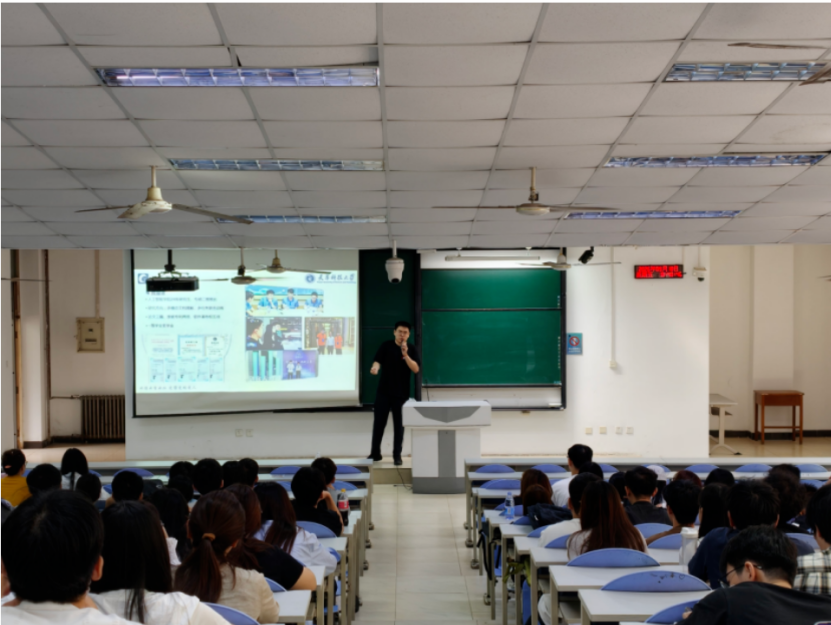
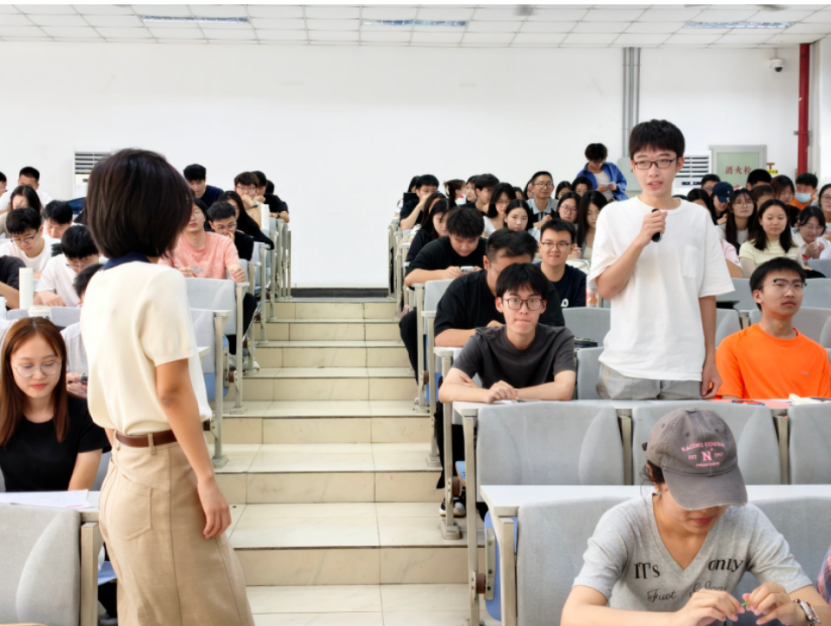
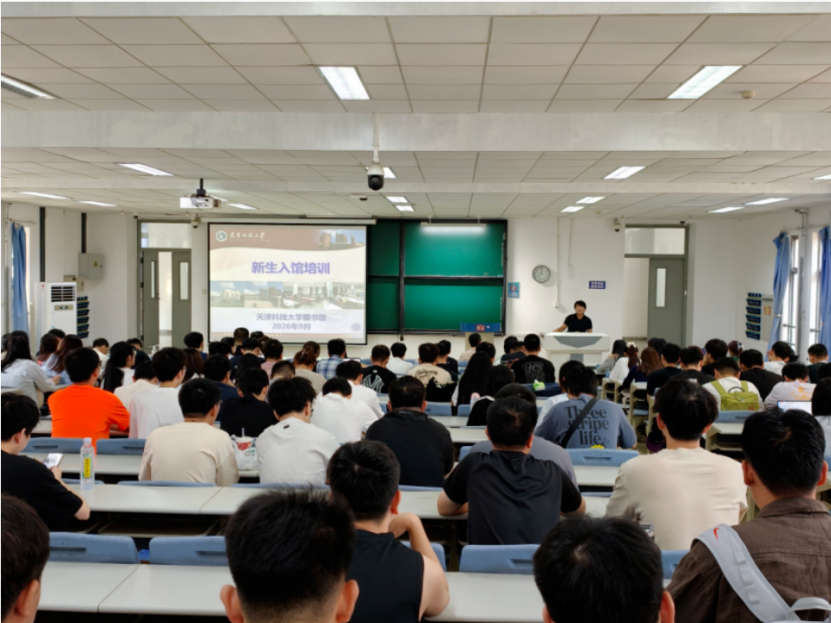
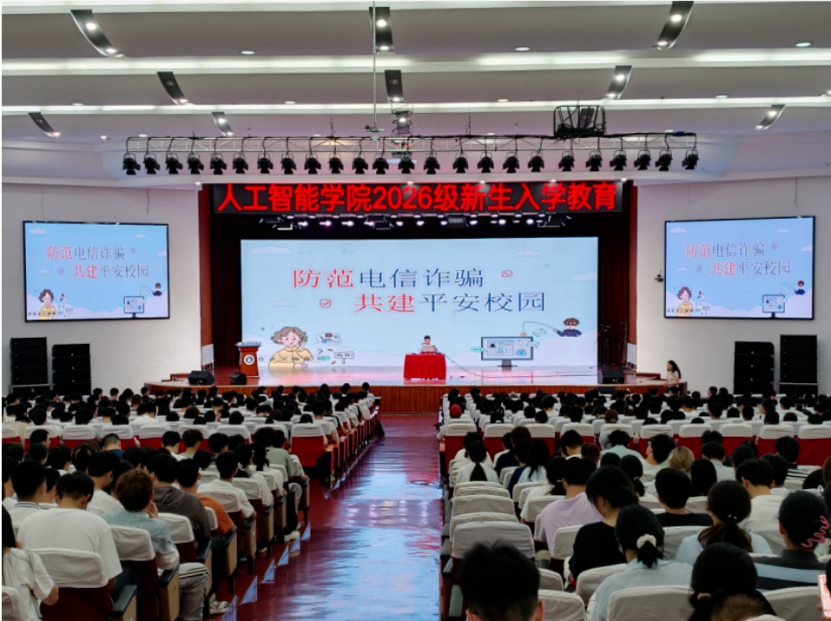
To help the incoming postgraduate students of 2026 adapt quickly to academic and research life and clarify their personal development goals, the College of Artificial Intelligence organized a series of orientation activities during the first week of the new academic year. The activities were delivered through the 14th lecture of the Intelligent Innovation Forum and covered five key areas: ideological and political guidance, academic development, safety and health, career planning, and adjustment to postgraduate life. The program comprised 12 sessions designed to support students as they embark on their postgraduate studies.
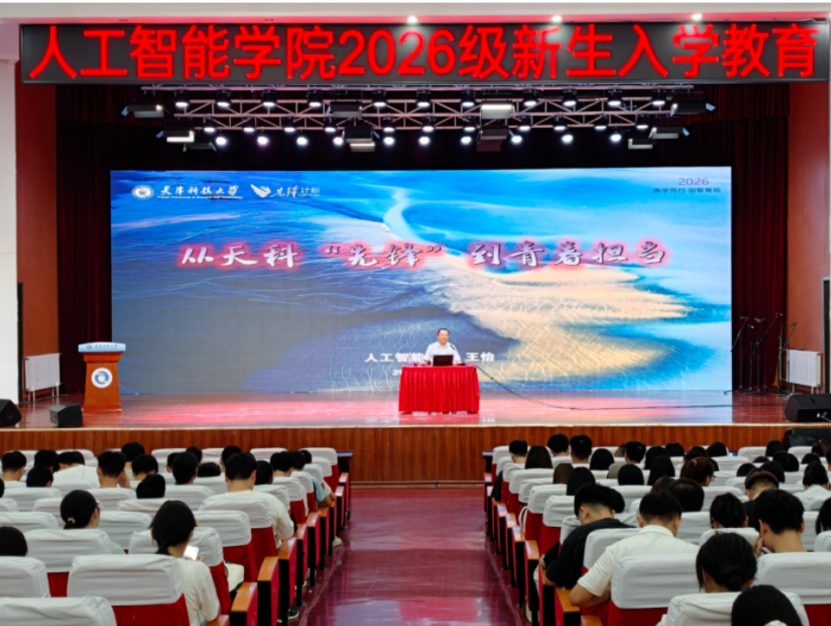
Ideological guidance is an essential component of postgraduate orientation. Wang Yi, the College Party Committee Secretary, delivered a lecture entitled “From Tianjin University of Science and Technology’s ‘TOP’ Initiative to Youth Responsibility and Commitment.” He reviewed the achievements of the university’s “3510” Development Strategy and the “TOP TUST,” as well as the progress made by the College of Artificial Intelligence. He encouraged students to strengthen their ideals and convictions and to integrate their personal development with professional learning and research practice, while remaining attentive to the needs of society as they pursue academic excellence. The lecture also offered guidance for students reflecting on two fundamental questions: “Why do we learn?” and “How can we grow?”
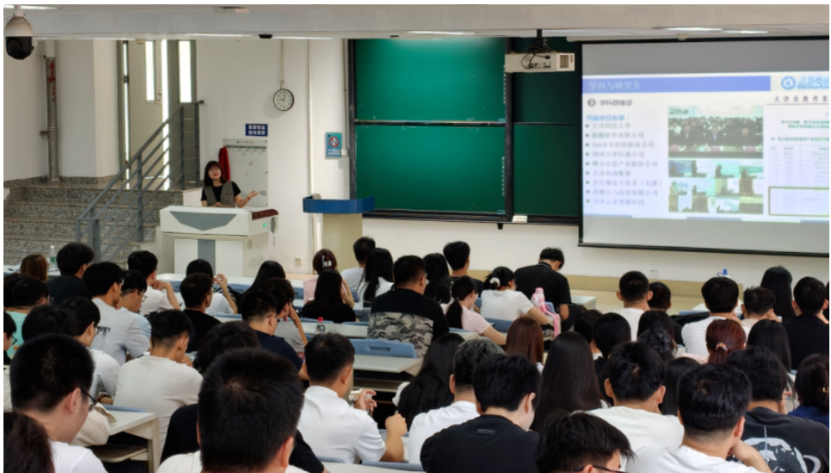
Vice Dean Zhao Tingting delivered a lecture on academic ethics, emphasizing that academic integrity is a fundamental requirement of scientific research. She reminded students that they must uphold honesty, objectivity, and academic standards at every stage of their work, from reviewing the literature and documenting experiments to writing research papers. A rigorous and conscientious attitude, she stressed, should guide every research endeavor. For students newly entering postgraduate study, the lecture clarified the essential principles and ethical boundaries that must be upheld in academic research.
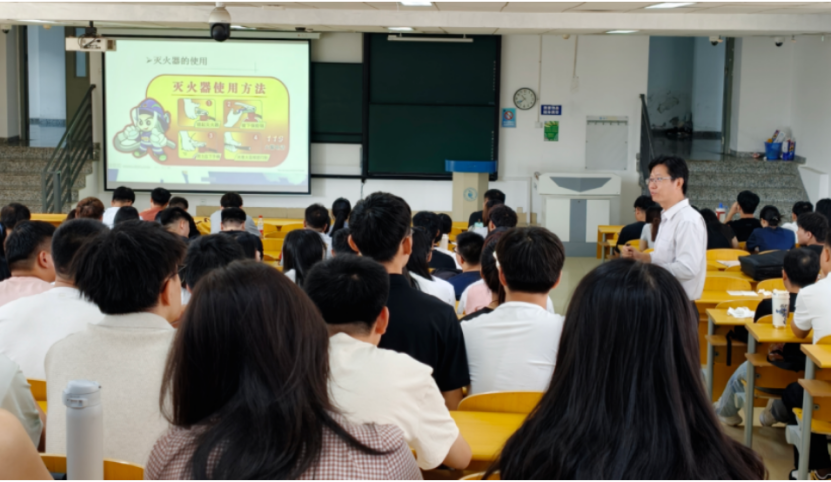
Vice Dean Yang Shuo conducted a dedicated session on laboratory safety. Drawing on common scenarios in postgraduate study and research, he explained the safety requirements governing laboratory management and daily laboratory use. He encouraged students to familiarize themselves with relevant regulations and incorporate safety awareness into every stage of their research, thereby helping to maintain a safe and orderly learning and research environment. Together, these sessions reinforced the message that strong professional competence depends not only on a dedicated approach to learning but also on academic integrity and a strong awareness of safety.
The orientation program was closely aligned with students’ academic and daily-life needs, helping them gradually adjust to their new postgraduate environment. At the postgraduate welcome meeting, counselors Song Shaowei and Li Boqian introduced the College and interacted with the new students, helping them integrate into the academic community. Yu Baokun, the postgraduate academic affairs secretary, explained academic requirements and training arrangements, guiding students in understanding expectations for coursework and research training and planning their postgraduate studies effectively.
Cui Yongmei from the university library introduced students to library resources and academic support services, preparing them to access research materials and conduct scholarly work in the future. Officer Liu, the campus police representative, delivered an anti-fraud awareness session, reminding students to strengthen their ability to recognize and prevent scams. Xu Bin from the Psychological Counseling Center addressed mental health and adjustment to university life, encouraging students to pay attention to their emotional well-being and respond positively to changes in their studies and daily routines. Zheng Chenglong from the School of Marxism introduced relevant laws, regulations, and policies concerning ethnic and religious affairs, helping students improve their understanding of these policies and strengthen their awareness of the rule of law.
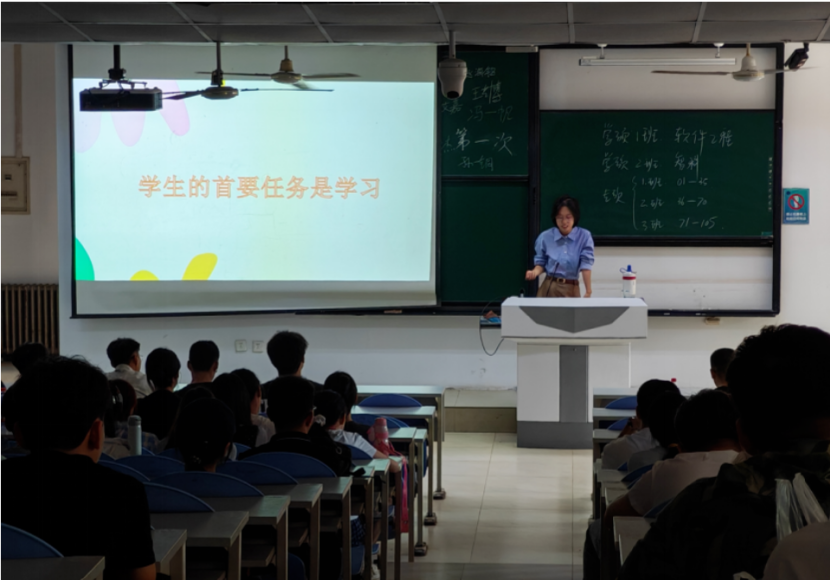
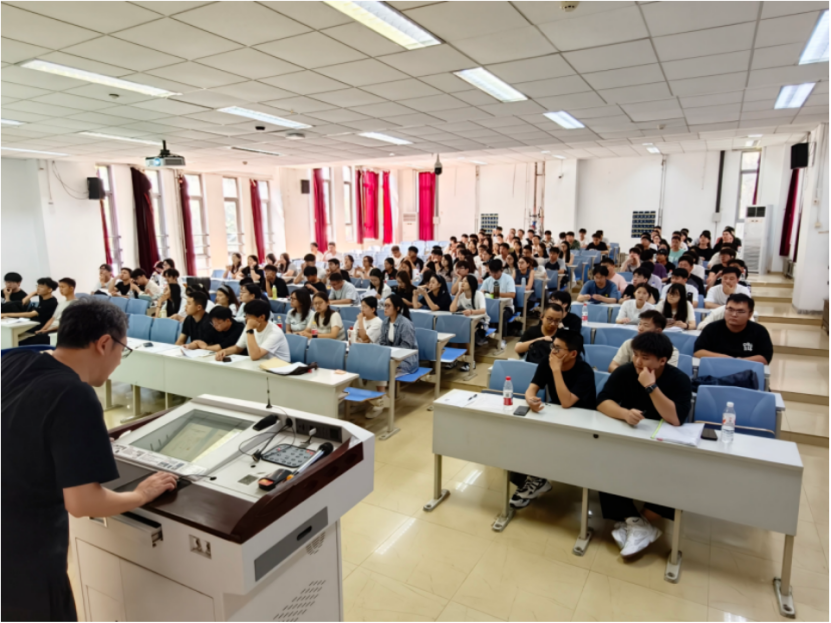
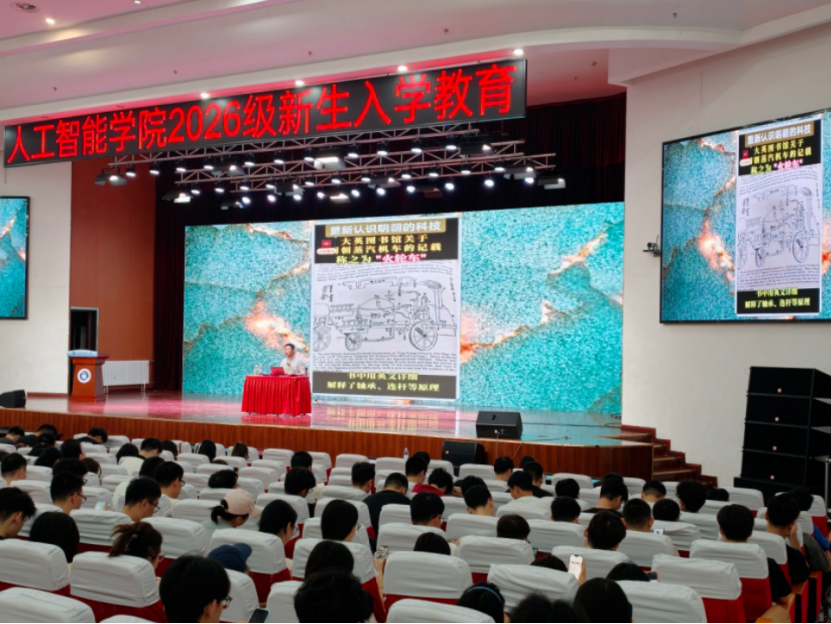
Alongside helping students adjust to their immediate surroundings, the College also encouraged them to consider their future development. Outstanding postgraduate student representatives Tian Yichuan and Duan Haonan shared their experiences in science and technology competitions. They encouraged their peers to go beyond classroom learning, apply their professional knowledge in practical projects and competitions, and develop their problem-solving skills.
Counselor Song Shaowei also delivered a career-planning session, helping students understand the relationship between the skills and experience they develop during postgraduate study and their future career prospects. Students were encouraged to clarify their goals progressively in line with their interests and academic specializations. In addition, Wang Liang, the College's Party affairs coordinator, and Deng Xuechen, Secretary of the College Youth League Committee, introduced the procedures for the development and admission of Communist Party of China members and Communist Youth League members. They helped students understand the relevant requirements and encouraged them to pursue continuous improvement through academic study, research, and active participation in collective life.
The opening ceremony further strengthened students’ sense of belonging to the College. The 12-session orientation program extended from ideological guidance to academic research and everyday life, addressing students’ immediate concerns while providing direction for their future development. The College will continue to focus on the growth and development needs of its postgraduate students, supporting them as they pursue knowledge with dedication, engage actively in practical work, and take confident, steady steps throughout their postgraduate journeys.