
Undergraduate
AI School Successfully Holds Seminar on AI-Empowered Higher Education, Exploring Education Reform Paths
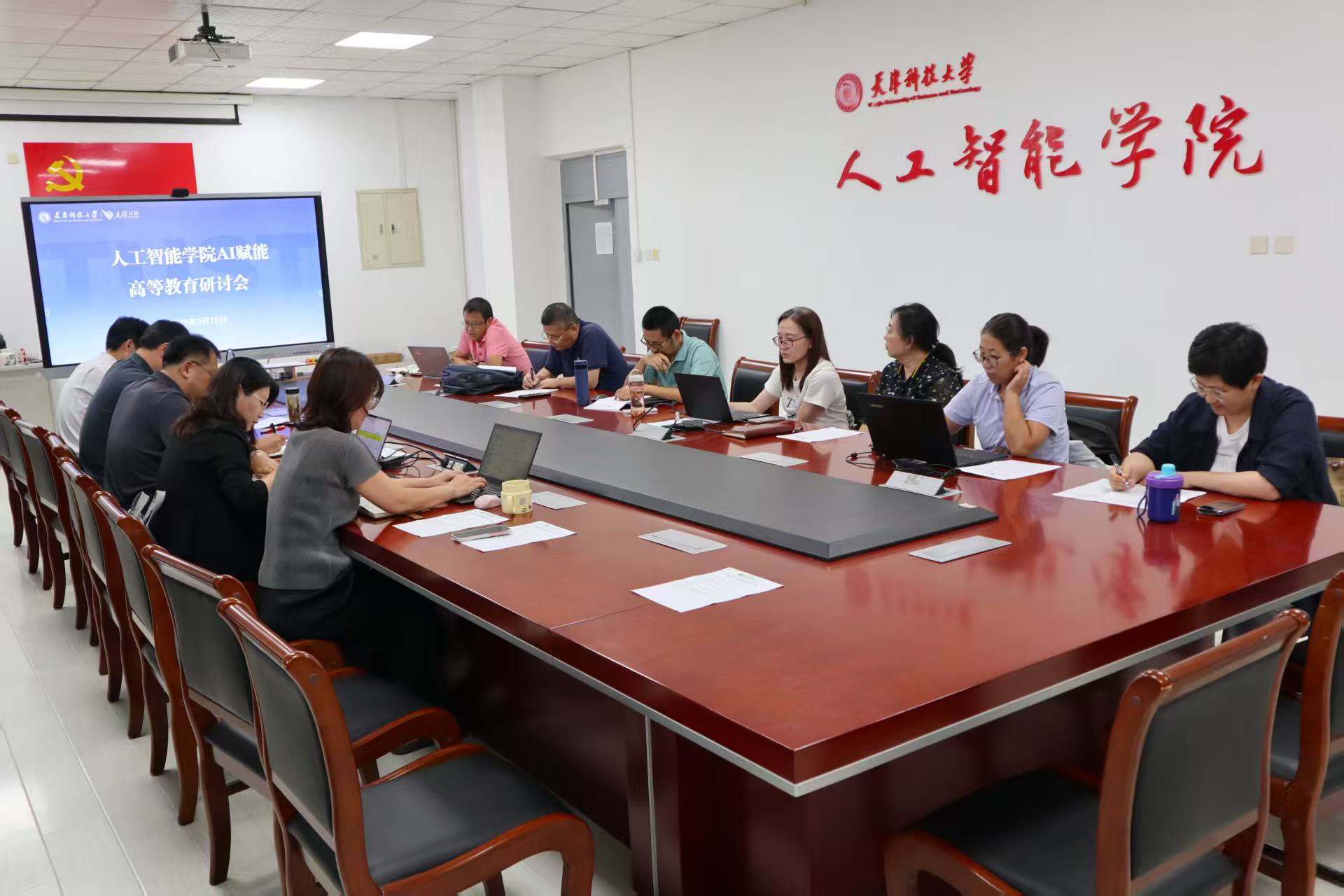
On September 18, 2025, the "Seminar on AI-Empowered Higher Education" hosted by the School of Artificial Intelligence was successfully held in Conference Room 8-209, West Campus. The school's leadership team, department heads, and representative key faculty members gathered to engage in in-depth discussions focusing on how AI can empower higher education, its potential to enhance efficiency and reduce workloads in teaching and research, as well as the associated opportunities and challenges. The meeting was presided over by Professor Zhang Xiankun, Dean of the School.
School Party Secretary Wang Yi pointed out that in the AI era, teachers are no longer merely transmitters of knowledge but must become guides and facilitators of student learning. Teachers should enhance their own digital literacy, learn to utilize AI tools for instructional design and learning analytics, and devote more energy to cultivating students' critical thinking and innovation abilities.
Dean Zhang Xiankun emphasized the significant importance of AI technology for the development of higher education. He stated that in the current context of rapid AI advancement, higher education must actively embrace AI and explore innovative models of teaching and learning to cultivate high-quality talent suited to the needs of the new era.
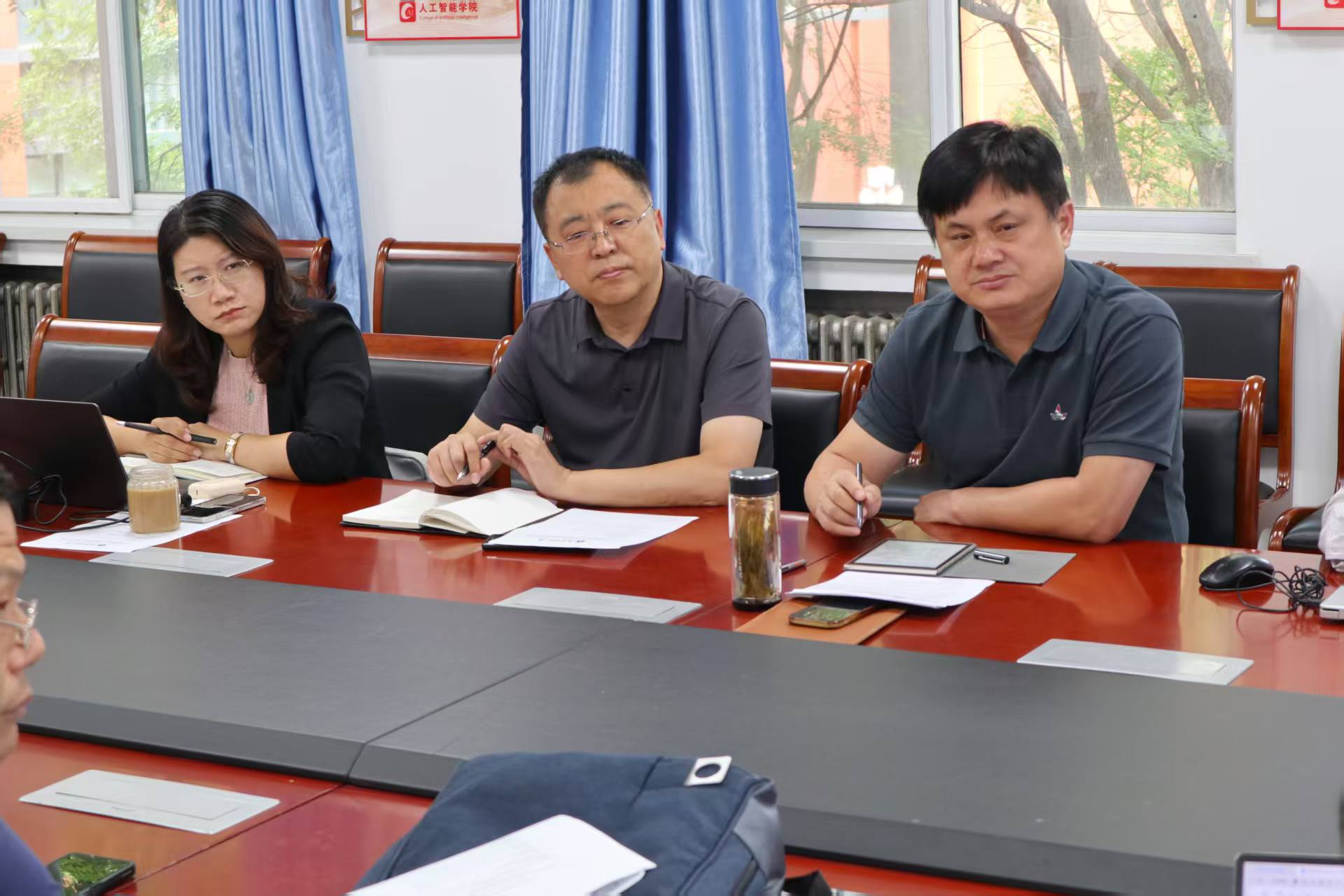
Prior to the seminar, various departments organized internal discussions according to the school's arrangements. During the seminar, the heads and key faculty members from each professional department reported on their respective discussions regarding AI-empowered higher education. Liang Qian, Head of the Computer Science and Technology Department, focused on specific pathways for AI to empower teaching and research: AI assists in lesson preparation and instructional design through intelligent organization, knowledge graphs, AI-driven classroom interaction and feedback, and AI-supported personalized learning and tutoring; it aids research through intelligent literature processing, real-time tracking and updates, and AI data processing. Ning Aijun, a teacher from the Computer Fundamentals and New Technologies Teaching & Research Department, paid more attention to the limitations and challenges brought by AI use, such as challenges to academic integrity, data security and ethical issues, and problems like hallucinated references and false citations. He emphasized the need to strengthen student assessment in education and teaching, for instance, by setting a minimum passing threshold in final exams and incorporating defenses into course design to address the challenges posed by AI usage. The participating experts and key faculty members unanimously agreed that AI brings abundant teaching resources, innovative teaching methods, and more efficient educational management tools to higher education, offering new possibilities for achieving educational equity and promoting lifelong learning. However, simultaneously, the application of AI technology also faces challenges such as data privacy and security, algorithmic bias, and teacher adaptability. Universities and enterprises need to strengthen collaboration, enhance teacher training, and improve teachers' ability to utilize AI technology to address these challenges.
This seminar aligned the understanding of all faculty and students within the school regarding AI-empowered education and teaching. It holds significant importance for promoting the school's full utilization of AI technology to drive teaching and research reform and innovation. It is believed that through the joint efforts of the school's faculty, AI will inject new vitality into the development of the school's higher education and help cultivate more innovative talents who can meet the future needs of societal development.